How to Choose a Design That Matches Your Personality
· By Hamza Ehsan
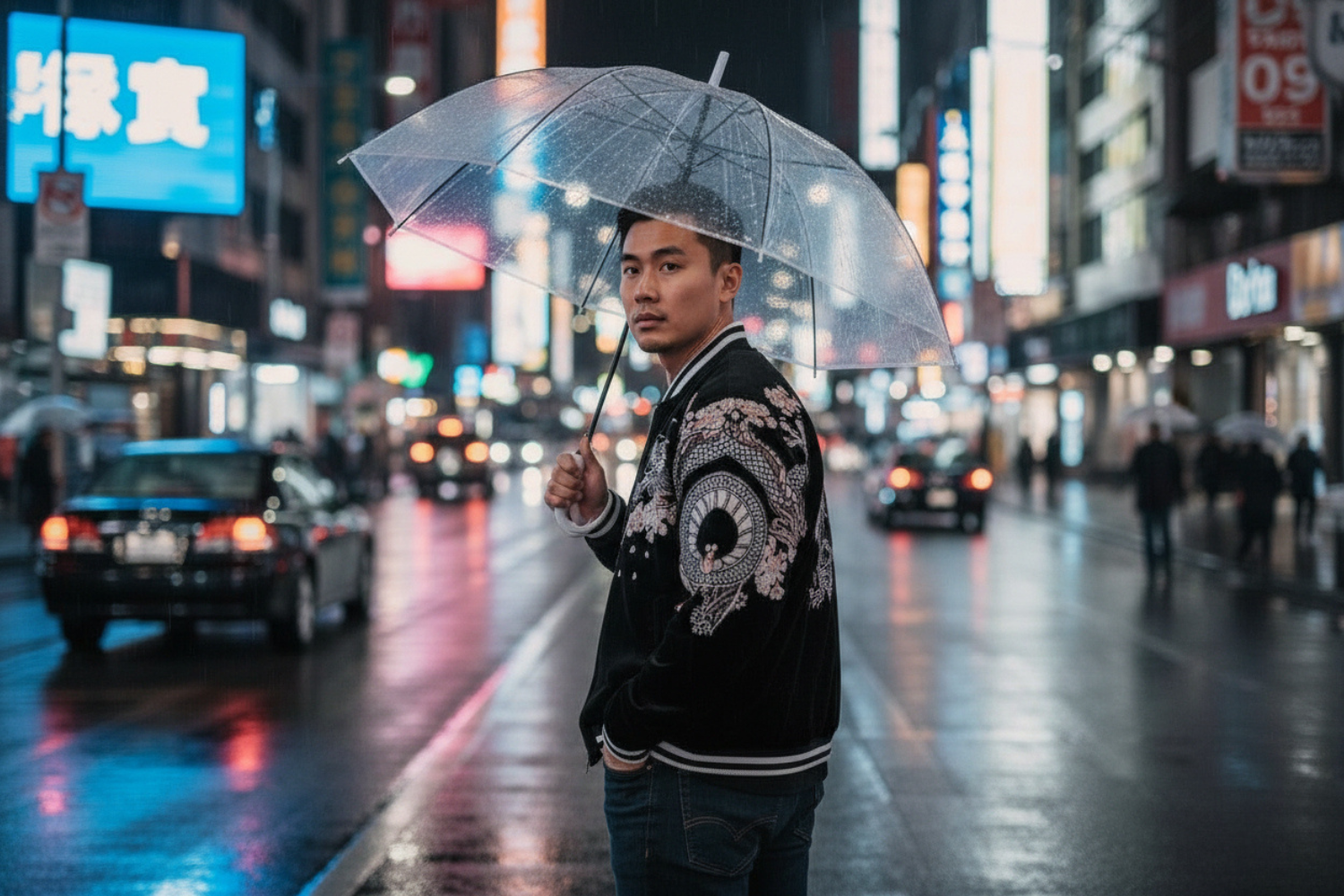
Clothing is not only a functional necessity. It is a powerful form of non-verbal communication that reflects personality, emotional traits, cultural background, and inner identity. The designs people naturally prefer often reveal how they see themselves and how they want to be perceived by others. From embroidery and graphics to colors and patterns, every visual element contributes to this silent language.In fashion psychology and cultural studies, clothing is widely understood as a mirror of personal identity. Hoodies, shirts, and jackets each offer different design spaces and emotional meanings. These garments allow individuals to express themselves in unique ways depending on comfort level, environment, and personal values. Understanding this relationship between personality and design helps explain why certain styles feel authentic while others feel disconnected.Clothing design, therefore, is not just about trends. It is about how visual choices align with emotional and psychological traits. This educational perspective allows us to explore how garments become tools for expressing identity, rather than simple fashion items.
The Psychological Link Between Personality and Design
Personality plays a central role in shaping how people respond to visual elements. Emotional tendencies, confidence levels, creativity, and personal values all influence which designs feel appealing. Some individuals naturally gravitate toward expressive, bold, and complex visuals. Others feel more comfortable with simple, clean, and balanced layouts.
How Emotional Traits Affect Design Choice
Emotional traits influence how individuals connect with design details. Energetic personalities may be attracted to high-contrast colors, dramatic imagery, and large motifs. Calm or reflective personalities may prefer softer tones, gentle patterns, and minimal visual noise. These preferences are often instinctive rather than planned. From a psychological standpoint, design becomes a reflection of emotional regulation. Bold designs may represent confidence and outward expression. Subtle designs may reflect introspection, emotional balance, and a preference for quiet communication. This shows that clothing design is closely tied to how individuals manage and express their emotions.
Jackets as a Platform for Symbolism and Storytelling
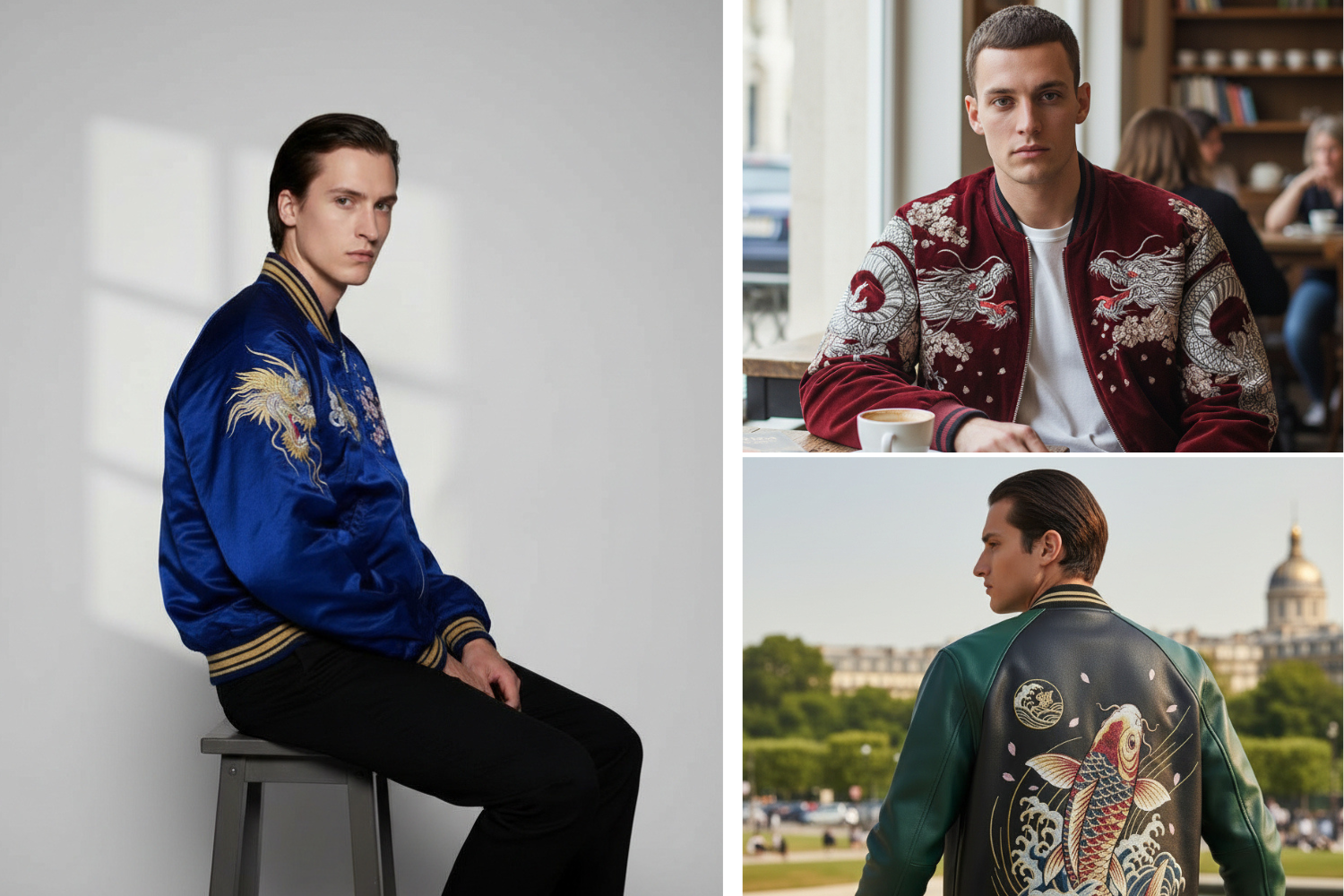
Jackets hold a special place in clothing design because they provide a large visual surface. This makes them ideal for symbolic imagery, cultural motifs, and narrative-based designs. Jackets are often used as identity pieces because they can visually communicate deeper stories and meanings.
Why Jackets Carry Strong Visual Identity
Because jackets are worn as outer layers, they naturally become a focal point of an outfit. This visibility allows jacket designs to communicate personality more clearly. Large embroidery, detailed artwork, and symbolic motifs transform jackets into visual storytellers.
Key reasons jackets are used for symbolic design:
-
Large surface area for detailed visuals
-
High visibility in daily wear
-
Ability to carry cultural, historical, or emotional meaning
-
Strong association with personal identity and outer expression
Jacket designs often appeal to individuals who connect with storytelling, heritage, or visual impact. These designs reflect a desire to communicate meaning through imagery, making jackets a powerful medium for personality-based expression.
Hoodie Designs and Casual Personality Expression
Hoodies are strongly associated with comfort, relaxation, and informal environments. From a design perspective, hoodies commonly feature graphics, typography, and creative visuals. These elements allow for flexible and direct self-expression.
Hoodies as a Canvas for Creative Identity
The flat front and back panels of hoodies make them ideal for graphic design. These designs often communicate moods, interests, and creative ideas. Hoodies are frequently used to express modern culture, digital aesthetics, and artistic identity. Psychologically, hoodies can also represent emotional safety and personal space. This is why hoodie designs are often linked with openness, creativity, and emotional expression. The relaxed nature of hoodies allows individuals to communicate personality without the pressure of formal presentation.
Common hoodie design features:
-
Graphic illustrations
-
Typography and slogan-based visuals
-
Pop culture and digital influence
-
Casual and expressive layout styles

Shirt Designs and Structured Visual Identity
Shirts traditionally carry a more structured and balanced design language. Their patterns and layouts emphasize rhythm, order, and visual stability. These elements often appeal to individuals who value clarity, control, and organized expression.
How Shirt Patterns Reflect Personality
Patterns such as stripes, checks, and small repeated motifs reflect structure and consistency. These designs are often associated with individuals who prefer predictability and visual harmony. Shirt designs communicate refinement and subtle self-expression rather than bold visual statements.From a personality perspective, shirts are closely connected with how individuals present themselves in social, academic, or professional environments. The controlled design space encourages thoughtful and measured expression.
Typical shirt design elements:
-
Repeating patterns
-
Balanced color combinations
-
Symmetrical layouts
-
Small-scale motifs
These elements reflect a preference for order and refined visual communication.
The Role of Color Psychology in Clothing Design
Color is one of the most influential tools in clothing design. Different colors trigger different emotional and psychological responses. These responses shape how designs are perceived and how individuals emotionally connect with garments.
Emotional Meaning of Color Choices
Warm colors such as red, orange, and yellow are often associated with energy, enthusiasm, and confidence. Cool colors such as blue and green are linked with calmness, trust, and emotional balance. Neutral tones represent simplicity, control, and stability. Dark shades may communicate strength, seriousness, or depth.
Across jackets, hoodies, and shirts, color choices can completely change the emotional tone of a design. Even when the same motif or pattern is used, altering the color palette can shift how the design feels. This shows how important color psychology is in shaping personality-based design preference.
Embroidery, Graphics, and Design Techniques
The technique used to apply a design also influences how identity is communicated. Embroidery and printed graphics carry different emotional, cultural, and symbolic meanings. Embroidery is often associated with craftsmanship, tradition, and long-term cultural meaning. It adds texture, depth, and a sense of permanence to a design. Embroidered elements are frequently linked with heritage, symbolism, and storytelling.
Printed Graphics and Modern Expression
Printed graphics are more closely connected with modern culture, fast-moving trends, and contemporary visual language. They allow for rapid creative expression and often reflect current cultural themes. The preference for embroidery or printed graphics can reflect whether an individual connects more with tradition or modern creative identity.
Cultural and Environmental Influences on Design Preference
Design preferences are not shaped in isolation. Cultural background, social environment, and daily lifestyle all influence how individuals respond to visual elements. What feels natural or appealing is often shaped by long-term visual exposure and cultural norms. Urban environments often support bold, graphic, and expressive visuals. Academic or professional environments may encourage cleaner, more restrained designs. Creative environments promote experimentation and mixed visual styles. Over time, these environmental influences become part of personal identity.
This shows that design preference reflects not only personality traits but also lived experience and social context.
Lifestyle and Daily Function as Design Influencers
Daily routines and lifestyle choices also affect design preference. Active lifestyles may encourage comfortable and flexible designs. Structured routines may support more organized and refined visuals. Creative lifestyles may favor experimental and expressive design elements.
Clothing design, therefore, becomes a reflection of how individuals move through their daily environments. This functional connection further strengthens the link between personality, lifestyle, and visual identity.
Visual Consistency and the Development of Personal Style
Personal style develops through repeated visual choices. Over time, consistent preferences in colors, patterns, and design techniques create a recognizable visual identity. This consistency becomes a form of non-verbal communication. When individuals repeatedly choose similar visual elements, these choices form a signature style. This visual consistency strengthens identity and helps communicate emotional traits and personal values without words. Across jackets, hoodies, and shirts, repeated design themes build a strong and recognizable personal image.
The Educational Value of Understanding Design and Personality
Understanding the relationship between design and personality has educational importance. It helps explain how visual culture, psychology, and identity are connected. Clothing design becomes a practical example of how humans use visuals to express complex emotional and cultural ideas.This perspective allows clothing to be studied as a form of visual communication rather than simple fashion. It highlights how design acts as a bridge between internal identity and external expression.
Conclusion
Clothing design is a meaningful form of self-expression that goes beyond trends and surface-level style. Jackets, hoodies, and shirts each provide different ways to communicate personality through symbolism, color, pattern, and technique. From an educational point of view, design choice reflects emotional traits, cultural background, lifestyle, and personal identity. Clothing becomes a visual language that tells a story about who individuals are and how they see themselves. This makes clothing design an important tool for understanding personality and identity in everyday life.
FAQ’s
How does personality affect clothing design preference?
Personality influences how people respond to colors, patterns, and symbols, shaping long-term design preferences.
Why are jackets used for statement and symbolic designs?
Jackets offer a large visible area, making them ideal for detailed artwork and visual storytelling.
How do hoodie designs reflect personality?
Hoodies often express creativity, comfort, and modern cultural identity through graphics and casual layouts.
What makes shirt designs more structured?
Shirt patterns usually emphasize balance, repetition, and subtle visuals, reflecting organized expression.
How does color psychology impact clothing design?
Colors influence emotional perception, affecting how designs feel and are interpreted.
Can design preferences change over time?
Yes, lifestyle, environment, and personal growth can influence evolving design preferences.